What Makes Indian Restaurant Dopiaza Unique?
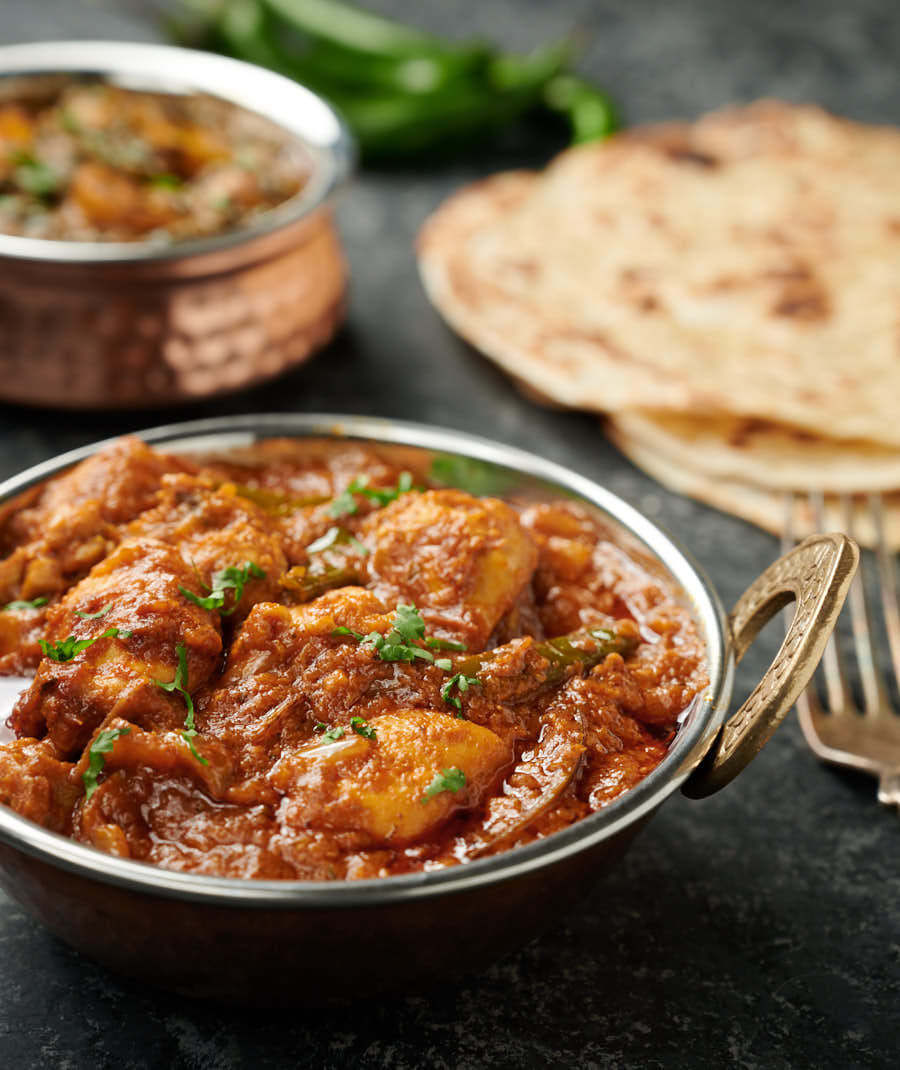
In the vibrant tapestry of Indian cuisine, where every dish tells a story of tradition, spice, and regional flair, the Dopiaza curry stands out as a true marvel. While many curries rely on a complex blend of spices, tomatoes, or cream to define their character, the indian restaurant dopiaza curry distinguishes itself through an ingredient often taken for granted: the humble onion. Its name, literally meaning "two onions" (do meaning "two" and piaza meaning "onions" in Persian), hints at the culinary magic that unfolds, making Dopiaza an unparalleled experience for the palate. But what exactly elevates this dish from a mere curry to a unique culinary masterpiece?
The Distinctive Onion Foundation: The Heart of Dopiaza
The very essence of Dopiaza lies in its ingenious use of onions – not once, but twice, and often in different forms and stages of cooking. This dual application is what gives the Dopiaza Indian curry its characteristic depth, sweetness, and textural complexity.
- The First Onslaught: Caramelized Sweetness
The initial batch of onions is typically finely sliced or chopped and then slow-cooked, often to a deep golden-brown or even caramelized state. This process is crucial, as it draws out the natural sugars from the onions, transforming their pungent bite into a profound sweetness and rich umami base. This caramelized onion paste forms the foundational gravy, lending a thick, luxurious texture and an irresistible aroma that is both sweet and savory. - The Second Act: Textural Brilliance
What truly sets Dopiaza apart is the addition of a second batch of onions later in the cooking process. These are usually roughly chopped or diced, sometimes even pearl onions or pickled onions, and are added closer to the end. This second addition retains some of their crispness and bite, offering a delightful textural contrast to the smooth, slow-cooked gravy. They contribute a fresh, slightly pungent sweetness that brightens the dish and provides a burst of flavor in every spoonful. It's this intelligent layering of onion preparations that makes the indian restaurant dopiaza curry so multifaceted.
This dual-onion technique results in a curry that is sweet, savory, and subtly tangy, with layers of flavor that evolve with each bite. Unlike many curries where onions merely serve as an invisible base, in Dopiaza, they are the undeniable star, celebrated in their various guises.
A Symphony of Spices: Beyond the Onion
While onions command the spotlight, the accompanying spices play a crucial supporting role, orchestrating a balanced and aromatic profile that complements rather than overshadows the onion's richness. A well-made indian restaurant dopiaza curry is characterized by a harmonious blend of whole and ground spices.
- Aromatic Foundation: Ginger and garlic paste are indispensable, providing a pungent, aromatic kick that invigorates the dish. They are typically sautéed with the first batch of onions, their fragrances mingling to create an intoxicating base.
- Classic Indian Spices: Cumin (often whole seeds and ground), coriander powder, turmeric, and garam masala are standard inclusions. Cumin adds an earthy warmth, coriander a citrusy note, turmeric a golden hue and subtle bitterness, while garam masala brings a complex, warming finish.
- Subtle Enhancements: Depending on the regional variations or the chef's personal touch, whole spices like green cardamom pods, bay leaves, and sometimes a stick of cinnamon might be tempered in oil at the beginning, infusing the dish with delicate, fragrant undertones. Some versions might also include a touch of red chili powder for a gentle heat, though Dopiaza is generally known for its mild to medium spice level, allowing the sweetness of the onions to shine.
The beauty of Dopiaza's spice blend lies in its restraint. It's not about overwhelming the palate with heat, but about creating an intricate dance of flavors that enhances the core onion character. The spices are carefully balanced to provide depth and warmth without masking the star ingredient.
The Art of Preparation: Crafting the Perfect Indian Restaurant Dopiaza Curry
The unique flavor profile of Dopiaza is not just about its ingredients but equally about the meticulous cooking process. It's a dish that demands patience and an understanding of how to coax the best out of each component.
- Slow Sautéing of the First Onions: This is arguably the most critical step. The initial onions are slowly sautéed, often in ghee or oil, until they achieve a deep golden or caramelized hue. This process can take a significant amount of time, but it's essential for developing the deep, sweet base of the curry. Haste here results in a dish lacking the characteristic sweetness and depth.
- Building the Masala: Once the onions are perfectly caramelized, ginger-garlic paste is added, followed by the ground spices. This mixture, known as the 'masala,' is cooked until fragrant and the oil separates, indicating that the spices have bloomed and released their full potential.
- Introducing the Protein: Whether it's succulent pieces of lamb, tender chicken, or hearty vegetables, the main ingredient is then added to the rich masala. It's often seared to lock in flavors before simmering.
- The Second Onion Addition: This is where the magic truly unfolds for the indian restaurant dopiaza curry. The roughly chopped fresh onions are added, often along with a little water or stock, allowing them to soften slightly but retain their texture. They simmer just long enough to infuse the gravy with their fresh onion essence while still offering a delightful bite. Sometimes, a garnish of fried onion rings or crisps is also added at the end for an extra layer of crunch and flavor.
- Slow Simmering: The entire dish is then left to simmer gently, allowing all the flavors to meld beautifully. This slow cooking ensures the protein becomes tender and fully absorbs the aromatic gravy.
This layered cooking method, a hallmark of Mughlai cuisine from which Dopiaza originates, showcases a sophisticated understanding of flavor development. It's a testament to traditional Indian cooking techniques that prioritize patience and precision to create complex, nuanced dishes.
Pairing and Enjoyment: Elevating Your Dopiaza Experience
A truly exceptional indian restaurant dopiaza curry is a versatile dish that pairs wonderfully with a variety of accompaniments, enhancing its rich flavors and ensuring a satisfying meal.
- Bread Companions: The mild, sweet, and savory gravy of Dopiaza is perfect for scooping up with soft, fluffy naan bread, crisp tandoori roti, or whole wheat chapati. These breads provide a perfect vehicle for soaking up every drop of the delectable sauce.
- Rice Varieties: For those who prefer rice, fragrant basmati rice, either plain or lightly spiced jeera rice (cumin rice), makes an excellent pairing. The individual grains of rice absorb the curry's flavors, creating a delightful mouthful.
- Cooling Sides: To balance the richness, a side of refreshing raita (yogurt with cucumber or mint) or a simple kachumber salad (diced onions, tomatoes, and cucumber) provides a pleasant contrast, adding a cooling element and freshness to the meal.
- Beverage Pairings: A traditional Indian mango lassi offers a sweet, creamy counterpoint, while a crisp Indian lager can cut through the richness, cleansing the palate between bites.
When ordering Dopiaza at an Indian restaurant, don't hesitate to ask your server about the chef's specific take on the dish. Some establishments might add a touch of tomato for tang, or yogurt for creaminess, slightly altering the traditional profile but often adding another delicious dimension. For a deeper dive into ordering various Indian dishes, including Dopiaza, check out our Dopiaza Curry: Your Guide to Ordering Indian Dishes.
Conclusion
The indian restaurant dopiaza curry is far more than just another item on the menu; it's a testament to the transformative power of simple ingredients handled with masterful technique. Its uniqueness stems from the celebratory use of onions – not merely as a base, but as the star, layered and cooked in different ways to create a symphony of sweet, savory, and aromatic flavors. From its Mughlai origins to its place on modern Indian restaurant tables, Dopiaza offers a refined, deeply satisfying culinary experience that stands distinctively apart from its curry counterparts. It’s a dish that invites you to savor the subtleties, appreciate the craftsmanship, and indulge in a truly unique taste of India. To truly appreciate the nuances, you might also be interested in Unveiling the Rich Flavors of Dopiaza Indian Curry, which explores its aromatic depths in detail.
